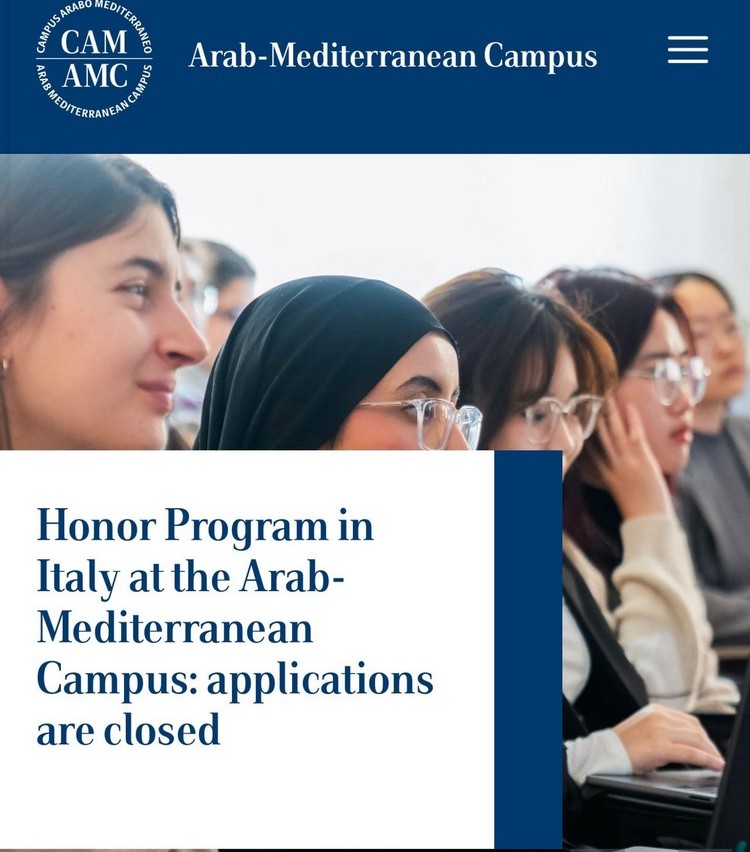
As part of the strategic vision of the College of Political Science at the University of Baghdad to strengthen its international academic presence, a number of fourth-year undergraduate students (morning studies) participated in the Arab-Mediterranean Program (AMC). Nominations for the program took place in September 2025, based on English language proficiency tests and academic competence.
This participation was supported and closely supervised by the Dean of the College, Professor Dr. Adel Abdulhamza Al-Badewi. A scientific committee was formed under his chairmanship, with the membership of Professor Dr. Hisham Ezzedine Majeed and Assistant Lecturer Hala Samer Yousif from the Department of International Studies. The committee conducted an internal evaluation process to select qualified students to represent the college in this international program.
Official correspondence was also made with the Presidency of the University of Baghdad, and the necessary formal approvals were obtained. This reflects the university’s commitment to enabling its students to engage in reputable international programs and enhancing its academic presence globally.
Assistant Lecturer Hala Samer Yousif continuously followed up with the selected students—from the initial selection phase, through fulfilling program requirements, to their participation abroad and return home—demonstrating a high level of academic supervision and commitment to the success of the training experience.
The program witnessed strong competition across the Middle East and North Africa region. A total of 100 students participated in the online training phase, from which 5 students from the College of Political Science were selected. The intensive two-week program, supervised by LUISS Guido Carli, included eleven training modules in public policy, entrepreneurship, and contemporary political issues. Each module included assessment tests, leading to certificates of participation and qualification for the next stage.
The training modules covered advanced interdisciplinary topics reflecting modern academic trends, including environmental protection, space economy and artificial intelligence, public administration, entrepreneurship, health and agricultural innovation, as well as social development and poverty reduction. These modules were delivered under the supervision of leading European universities, including the University of Milan, University of Bari, University of Parma, University of Bologna, University of Cattolica, and University of Ferrara, which enhanced the program’s international and integrative academic character.
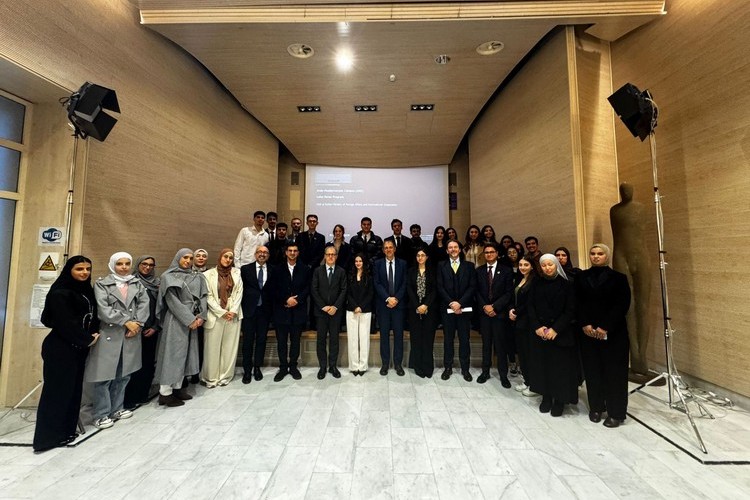
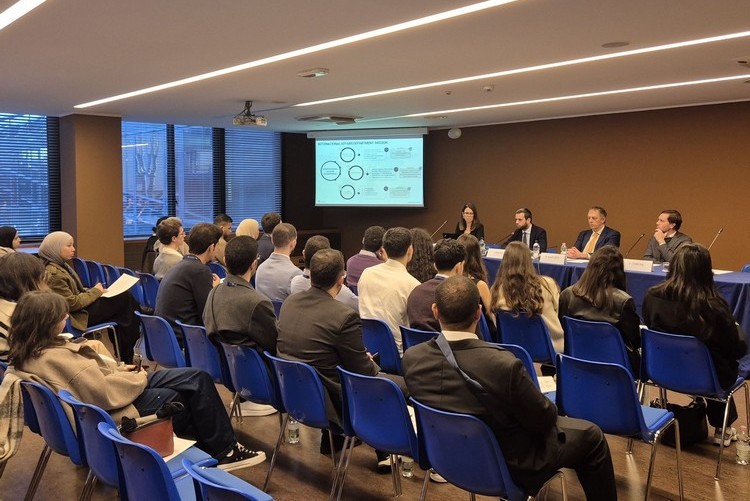
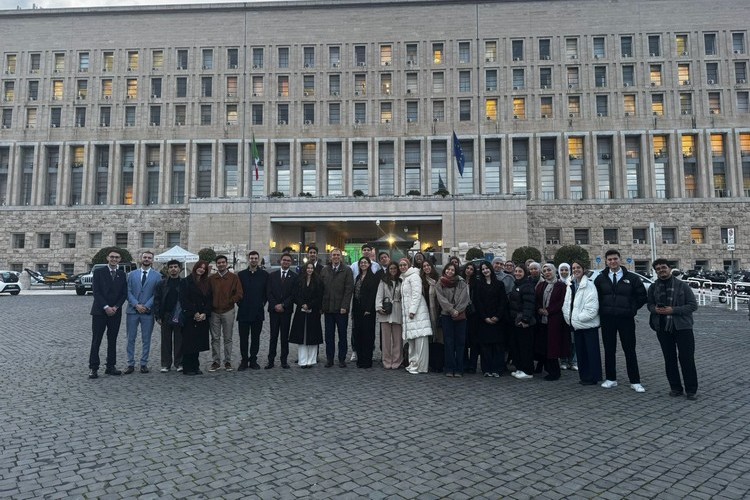
Based on the results of the first phase, two students from the College of Political Science qualified for the in-person stage, which included only 50 participants from across the Middle East and North Africa. The in-person activities were held in Rome from February 1–7 at LUISS Guido Carli, followed by Naples from February 8–14 at the University of Naples Federico II. During this stage, students engaged in advanced in-person training and interactive discussion sessions.
The College of Political Science was represented in this stage by the following students:
* Hanaa Naji Adi
* Maamoun Thaer Mustafa
The AMC program is fully funded by LUISS Guido Carli, ranked 25th globally in the field of political science. This reflects the high level of competitiveness faced by the students and the academic excellence that qualified them to represent their college and university in this international forum.
The program aligns with the Sustainable Development Goals, particularly Goal 4 (Quality Education), which aims to ensure inclusive and equitable education and promote lifelong learning opportunities, and Goal 17 (Partnerships for the Goals), by expanding international academic collaboration and building student capacities in multicultural educational environments.
The College of Political Science at the University of Baghdad continues to enhance its academic standing internationally by expanding participation in reputable global programs and building strategic partnerships with universities and research institutions. These efforts contribute to developing students’ skills and refining their capacities in political analysis and decision-making.
The college also aspires to increase future opportunities for student participation in international training programs, adopt institutional mechanisms for annually selecting outstanding students, and further develop English language and research skills within the academic environment—keeping pace with modern higher education requirements and strengthening the college’s role as a platform for preparing young political leaders capable of addressing regional and global challenges.
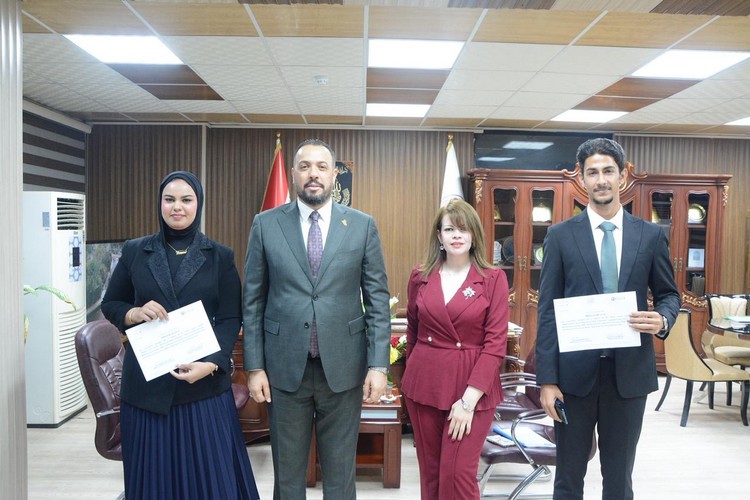
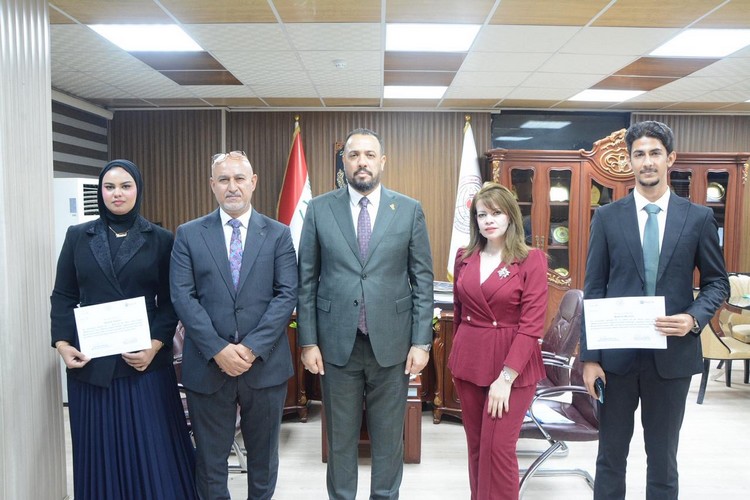
Following their return, the college committee received the participating students and organized an honoring ceremony to congratulate them on successfully completing the program. The committee praised their efforts throughout all stages of the program and their ability to engage effectively in multicultural academic environments. It emphasized that this participation represents a qualitative addition to the college’s trajectory toward international engagement and strengthening its presence in global academic forums, as well as an important step in building a generation of students equipped with analytical and leadership skills to meet regional and international challenges