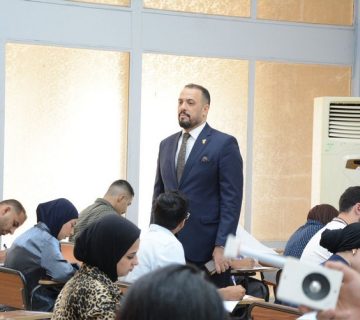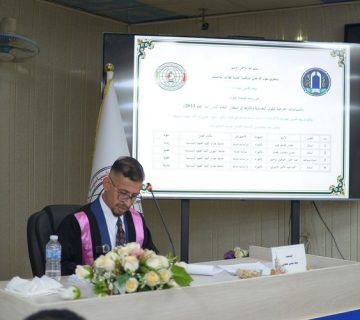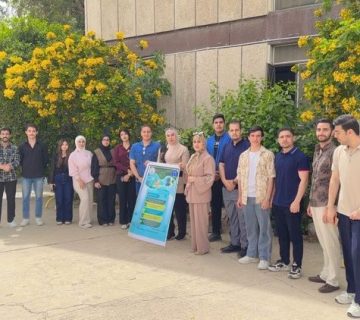
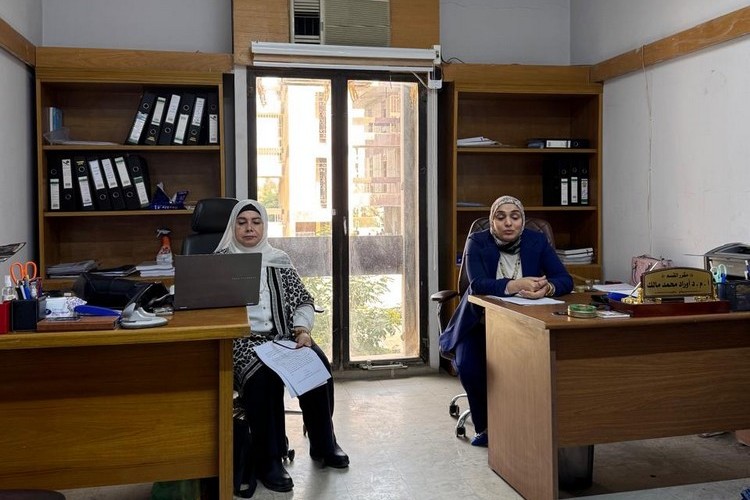
The Department of International Studies at the College of Political Science – University of Baghdad organized, on Thursday, February 12, 2026, a scientific seminar entitled “Toward Thinking about Formulating Integrated Strategies to Combat Terrorism and Intellectual Extremism,” with the participation of the department’s faculty members.
The seminar addressed ways to crystallize a scientific and practical vision for formulating comprehensive strategies to combat terrorism and intellectual extremism by adopting integrated approaches that combine security, intellectual, and social dimensions, thereby contributing to addressing the ideological roots of extremism and enhancing societal stability.
The seminar aimed to strengthen coordination among relevant institutions and to build effective preventive policies that help curb the spread of extremist thought. It also highlighted the importance of regional and international cooperation in confronting shared security challenges and examined the implications of the phenomena of terrorism and extremism at both regional and international levels.
The themes of the seminar align with the Sustainable Development Goals, particularly Goal 4 (Quality Education), which focuses on consolidating the values of tolerance and citizenship and building intellectual awareness that limits the spread of extremist ideas, as well as Goal 16 (Peace, Justice and Strong Institutions), which emphasizes the importance of building safe societies and strengthening the rule of law and institutions.
At the conclusion of the seminar, the participants stressed a set of recommendations linked to the Iraqi National Security Strategy, emphasizing the necessity of adopting a comprehensive approach that integrates security, intellectual, and preventive dimensions, strengthening institutional coordination and regional and international cooperation to address the roots of extremism, thereby contributing to enhancing internal security and stability and consolidating societal peace, within a framework that supports state institutions and the rule of law.