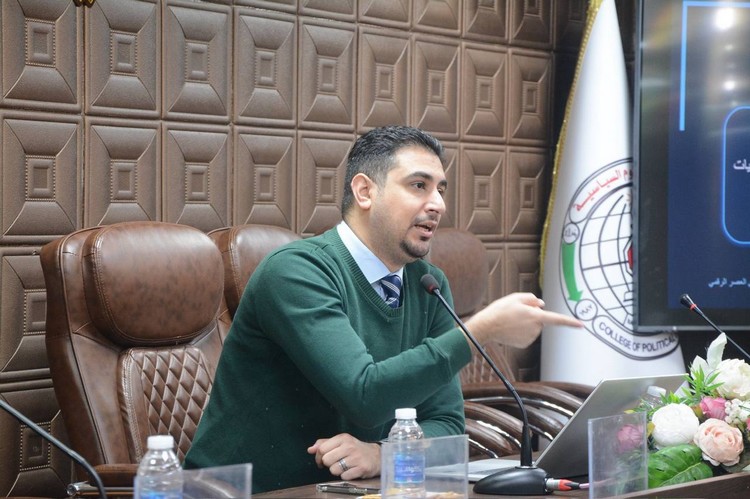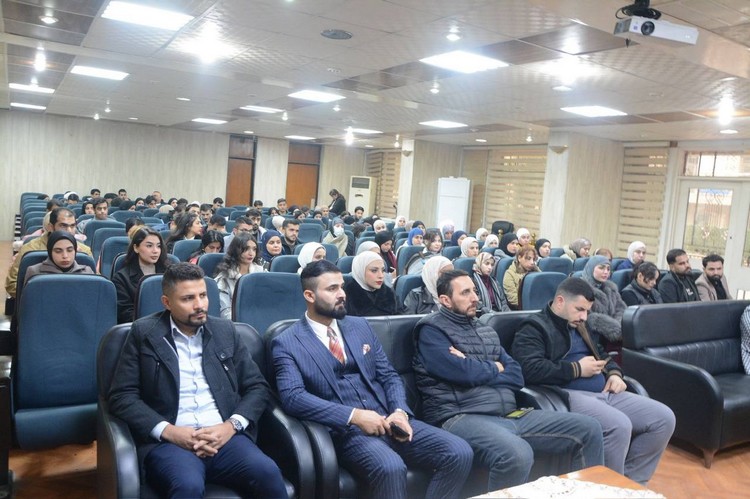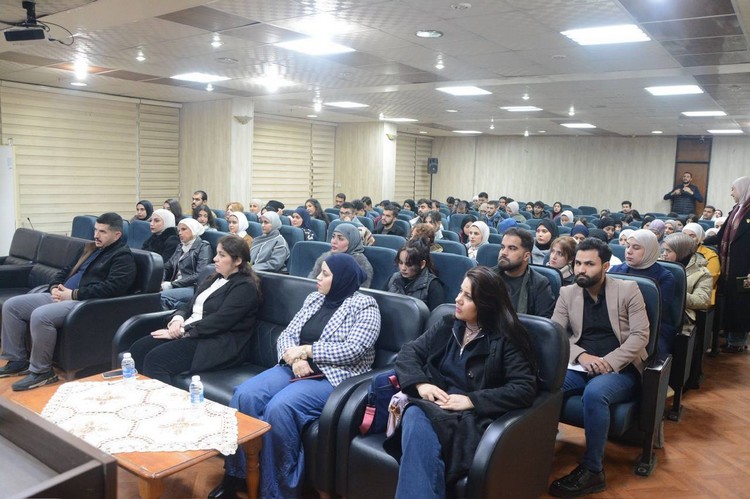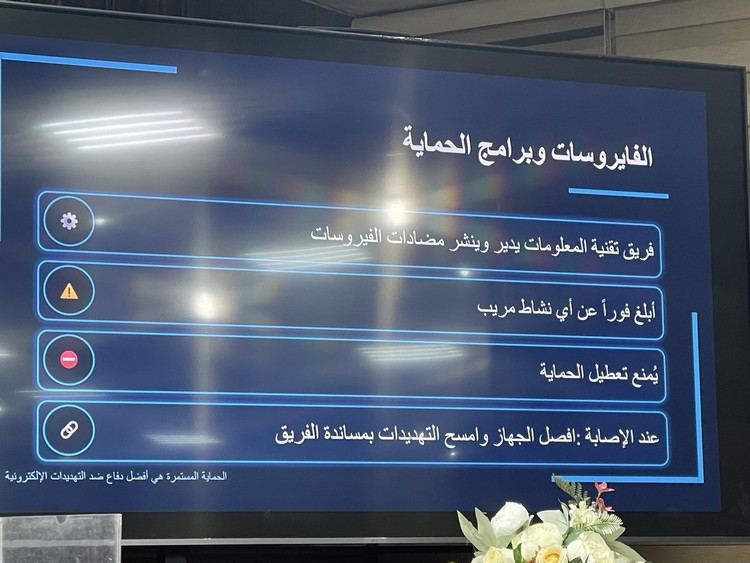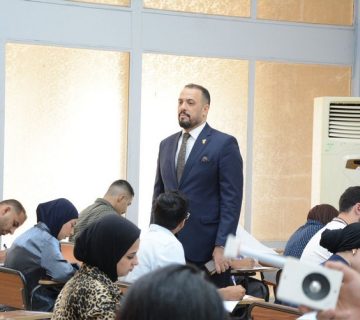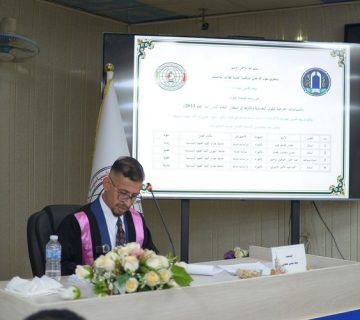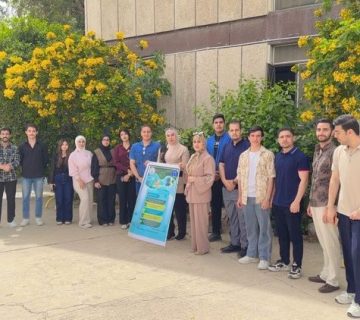
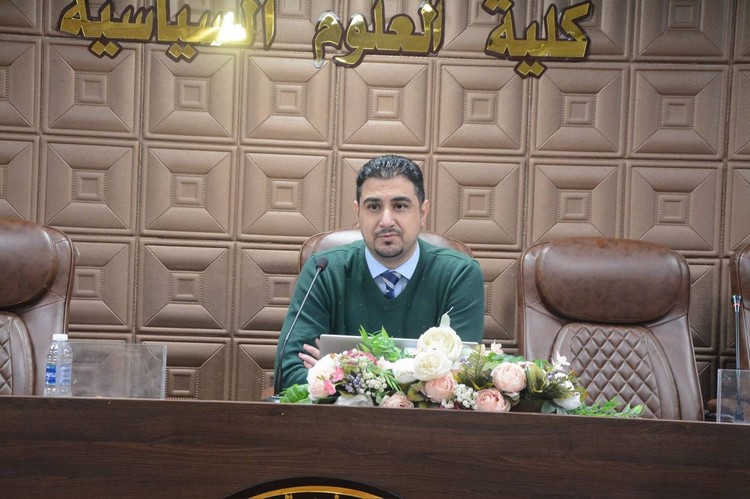
The workshop aimed to familiarize participants with mechanisms for maintaining the security of personal account information while browsing websites, securing the university email and computer devices, and preventing hacking attempts and electronic blackmail. The lecturer addressed the concept of cybersecurity, acceptable use of information technology resources, basic procedures for protecting university accounts, and methods for detecting unauthorized access and reporting such cases to the competent authorities within the College.
The lecturer also emphasized the necessity of not accessing data without official authorization, avoiding copying confidential data onto portable media without proper approvals, and using the university email exclusively for academic purposes. Emphasis was placed on creating strong passwords and activating two-factor authentication. Additionally, the workshop covered methods for protecting devices, computers, and email accounts from viruses and unauthorized users, and explained the types of data security incidents and the procedures required when such incidents occur.
This workshop aligns with the Sustainable Development Goals, particularly Goal 4 related to quality education, and supports national security strategies in confronting digital threats, especially electronic blackmail, and in enhancing cybersecurity. At the conclusion of the workshop, the lecturer recommended strict adherence to all guidelines and procedures related to protecting personal information security, computer devices, and the official university email.