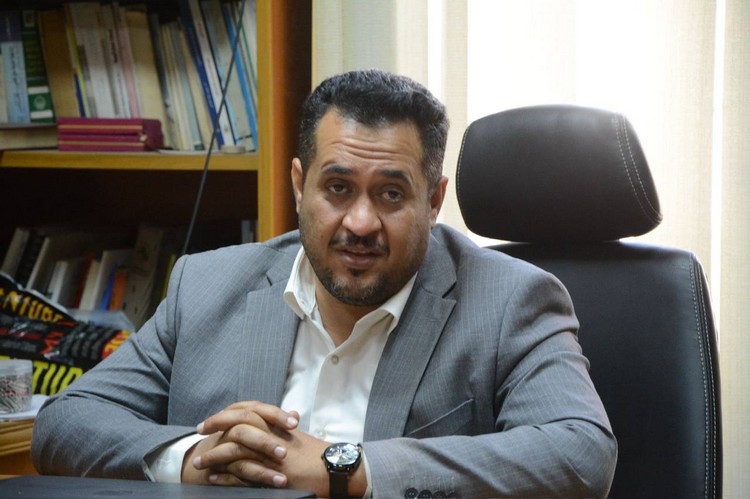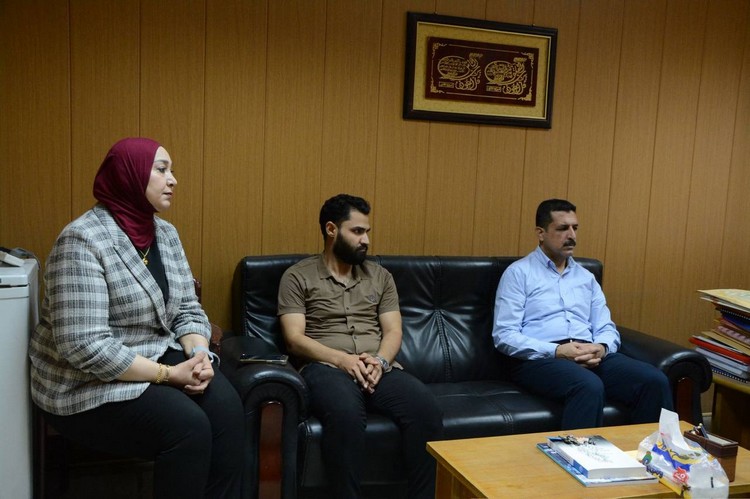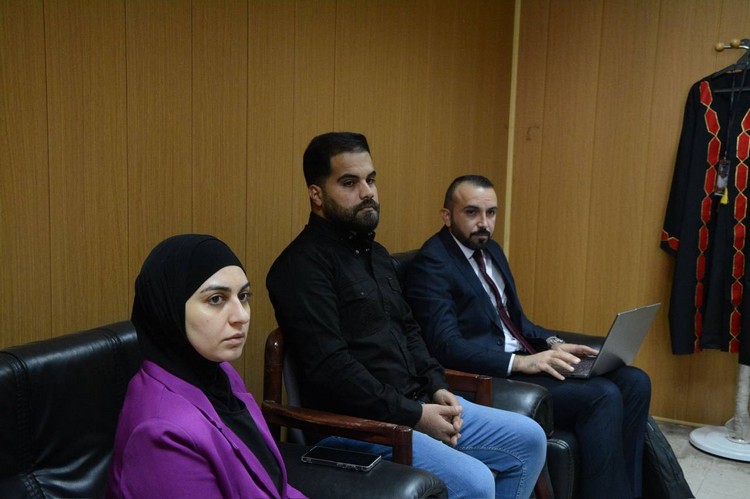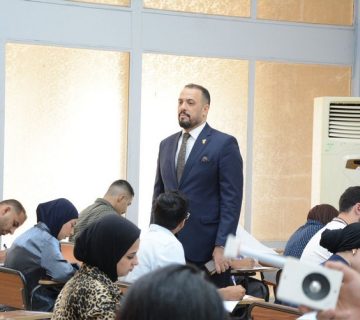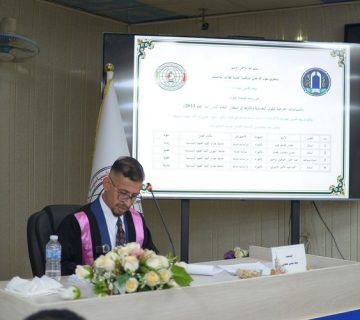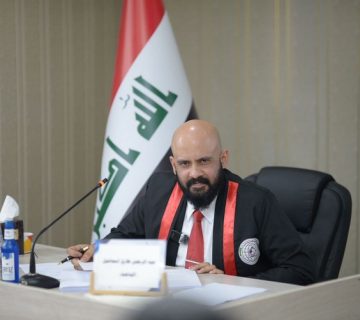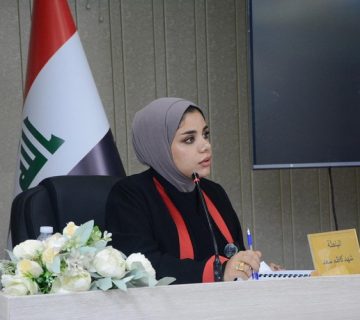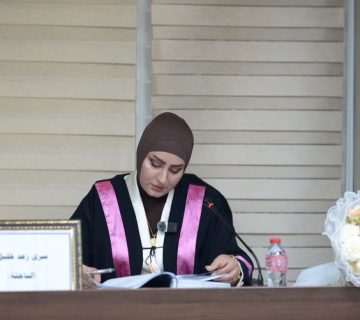
The Department of International Studies within the College of Political Science convened an academic session titled “Mechanisms for Combating Corruption in the Iraqi Political System,” presided over by Prof. Dr. Faiq Hassan Jasim, the Department Chair. The symposium critically examined strategies to enhance transparency and accountability in Iraq’s political system, with a particular emphasis on corruption as a significant barrier to national progress, state-building, and development. The session also evaluated pertinent legal and institutional frameworks, assessing their efficacy in safeguarding public funds and fostering a culture of integrity.
The symposium featured scholarly contributions from two faculty members. Lecturer Dr. Haidar Yahya Thamer presented his paper on “The Crime of Illicit Gain in the Iraqi Legal System,” analyzing legislation related to illicit gains and measures taken for their enforcement. Whereas Lecturer Dr. Haidar Ali Al-Jash‘ami delivered the second paper on “Mechanisms of the Integrity Commission in Combating Corruption in Iraq,” where he outlined the Commission’s mandates, oversight functions, and the challenges encountered within a complex political landscape that calls for substantive reforms.
During the session, discussions were centered on the roles of political parties and the parliament in supporting reform initiatives, fostering mutual trust between the state and citizens, and establishing a fair political environment conducive to democratic stability.
The concluding remarks underscored the necessity of reinforcing the independence of oversight regulatory agencies, ensuring transparency in law enforcement, and promoting both political and judicial accountability. Such measures are deemed vital for effective anti-corruption strategies, aligning with Sustainable Development Goal 16 on peace, justice, and strong institutions, in addition to Iraq’s national agenda aimed at strengthening governance and the rule of law